Restauración de Bancos del Parque María Luisa en Sevilla
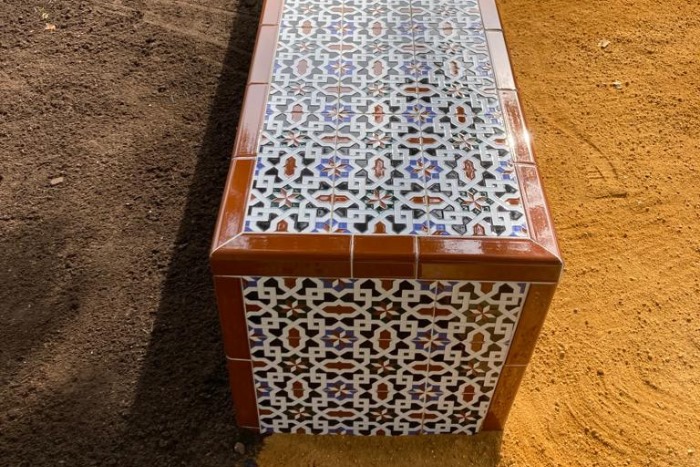
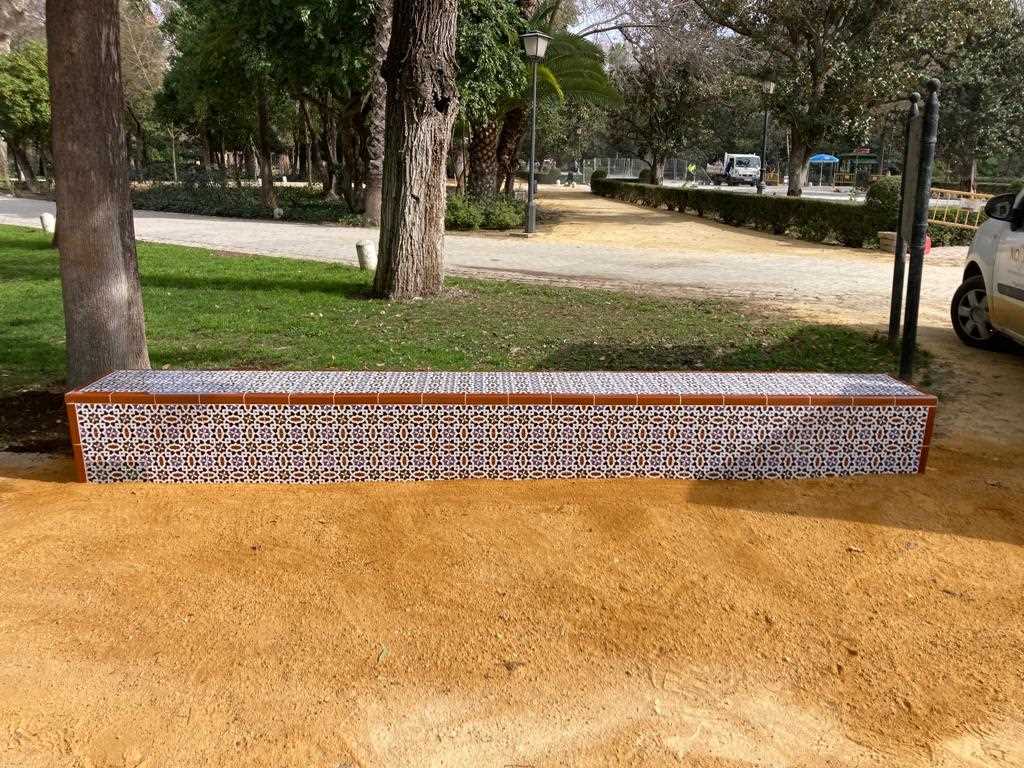
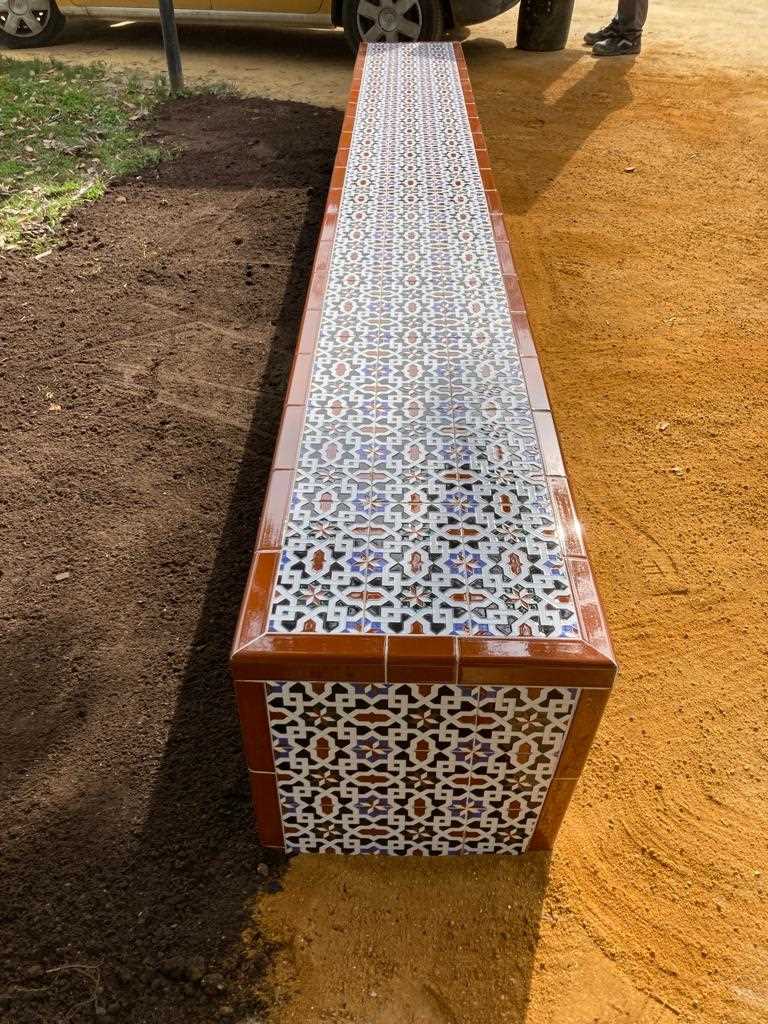
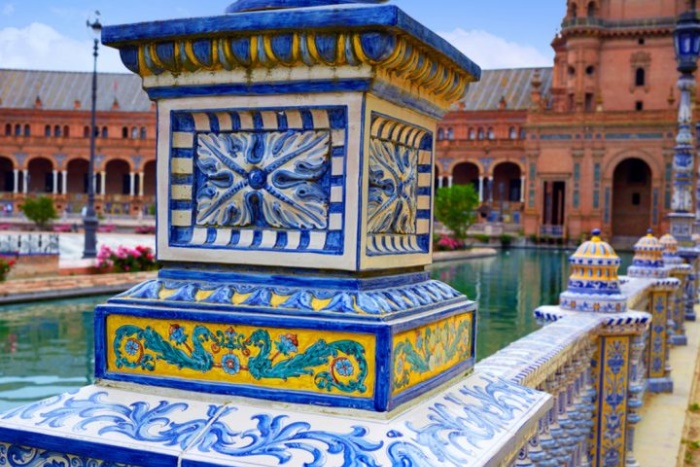
Hispalcerámica somos una empresa dedicada a la fabricación de productos cerámicos, hemos producido azulejos para los Bancos del Parque María Luisa en Sevilla. Esta colaboración se enmarca en un esfuerzo por preservar y restaurar el patrimonio histórico y artístico del parque, que es uno de los espacios verdes más emblemáticos de Sevilla.
Los azulejos se han diseñados y producidos para garantizar que el diseño, los materiales y los colores sean fieles a los originales y se integren armoniosamente en el entorno histórico del parque. Este tipo de iniciativas son fundamentales para mantener la autenticidad y el valor cultural de los espacios históricos en Sevilla.
Suscríbete a nuestra Newsletter
Más artículos en nuestro blog
Baldosas cerámicas, un material sostenible para tu nuevo hogar
Con el uso de baldosas cerámicas en tu nuevo hogar también puedes lograr la sostenibilidad. Te contamos el porqué.
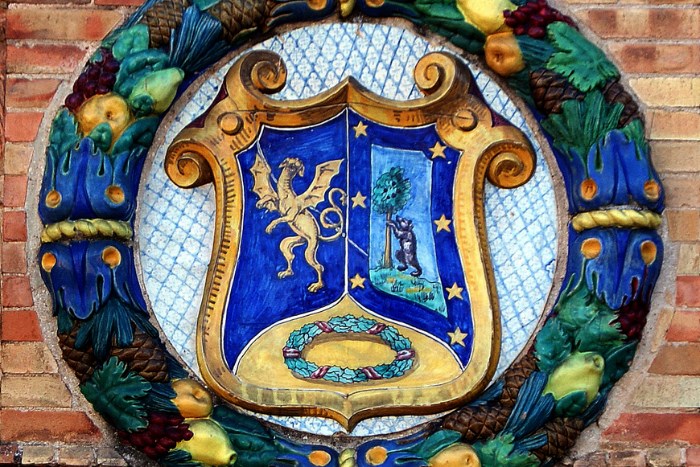
Bancos de cerámica y escudos de la Plaza de España de Sevilla: Madrid
En 1859 se estableció el primer escudo de la villa desde la constitución de los ayuntamientos constitucionales.
María Luisa Park is one of Seville’s most significant historic public spaces, where landscape design, architecture, and decorative arts coexist as part of a carefully preserved urban heritage.
Among its most recognizable elements are the handcrafted ceramic tile benches, which combine functional architecture with ornamental storytelling. These benches are not isolated decorative objects; they are part of a broader architectural language that defines the character of the park.
At Hispalcerámica, we have participated in the restoration of ceramic tile benches at María Luisa Park, contributing our experience as an artisanal ceramic manufacturer specialized in traditional techniques and heritage-sensitive interventions.
Restoring architectural ceramics requires more than reproducing patterns. It demands a deep understanding of:
- historical ceramic processes
- original glazing and firing methods
- material aging and weather exposure
- structural integration within existing architecture
Our work focused on respecting the original designs while ensuring long-term durability and compatibility with the surrounding architectural context. Each intervention was carried out with the aim of preserving the authenticity of the original work while meeting the technical requirements of contemporary restoration standards.
This project reflects the role of handcrafted ceramics as a living architectural material, capable of being restored, maintained, and reintegrated into public spaces without losing its cultural significance.
For architects and heritage professionals, projects like this demonstrate how traditional ceramic craftsmanship remains essential in:
- heritage restoration projects
- historic urban environments
- public architecture with cultural value
- long-lasting architectural materials
